

YouTube taught an entire generation how to blend eyeshadow and cut a crease, and there is real value in that. What a video cannot do is watch you apply product to an actual client’s face, catch the mistake before it happens, and correct your hand in real time. That gap is exactly what a proper makeup artistry course is built to close.
At The Academy by Sharon Leavy, the current Makeup Courses Ireland range is built around precisely the skills a tutorial format structurally cannot teach. Here are five of them.
1. Reading a Real Client’s Skin, Not a Ring Light
A tutorial is filmed once, under controlled lighting, on one face. A makeup artistry course trains students to assess skin type, skin condition and contraindications on a different client every session, in ordinary light, with ordinary skin.
The current ITEC Certificate in Makeup Artistry curriculum includes consultation techniques and skin analysis as a dedicated module, alongside skin structure, types, conditions and contraindications. This is knowledge a viewer cannot absorb by watching someone else’s finished result, because the entire skill lives in the assessment stage that happens before a single product is applied.
2. Colour Correction That Actually Corrects
Colour correction videos are everywhere, but most only show one face and one outcome. A makeup artistry course teaches the colour wheel itself, why green cancels redness, why peach lifts under-eye darkness, so a graduate can reason through a new face rather than copy a formula that happened to work on someone else’s skin tone.
The Academy’s current curriculum names colour wheel and colour correction directly as course content, taught as transferable theory rather than a one-off demonstration.

3. Correcting Real Face, Eye, Lip and Nose Shapes
Every face is a slightly different shape, and a tutorial filmed on one presenter’s features cannot teach a viewer how to adapt technique to their own bone structure or a client’s. A makeup artistry course spends dedicated time on face, eye, lip and nose shape correction, precisely because this is the part that genuinely cannot transfer from watching someone else’s video.
This is also where in-person feedback matters most. A tutor can see, in real time, exactly where a viewer’s own attempt is drifting off technique, something no comment section or video replay can replicate.
4. Practical Range Across Real Occasions
The current ITEC Certificate in Makeup Artistry covers practical application across bridal, mature, smokey eye and cut crease looks, plus lash techniques, within one structured course. A student is not just learning one trending look, they are building a genuinely versatile skill set that covers what real paying clients actually book.
A single tutorial teaches a single look. A makeup artistry course teaches the underlying technique behind several different looks, which is what separates a hobbyist skill from something a client will pay for.
5. A Recognised Qualification Clients Can Actually Verify
A tutorial can teach technique, but it cannot issue a credential. The fifth, less visible skill a proper makeup artistry course builds is professional trust itself, the kind a client checks for before booking someone to do their makeup on a wedding day or a paid shoot.
An ITEC certificate is something a client, an employer or an insurer can verify. A string of watched videos is not, however genuinely skilled the hands behind them have become.
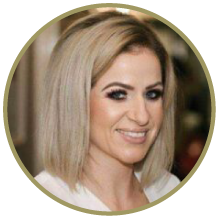
Real Student Success: Laura Mulhall’s Freelance Career
Laura Mulhall completed the ITEC Makeup course at The Academy, and her outcome is a genuine answer to what separates structured training from tutorial-only learning. In her own words:
“The qualification helped me launch my own business as a freelance bridal makeup artist. Highly recommend to anyone thinking of studying with the Academy. Go for it!”
Laura’s result did not come from watching enough videos, it came from a recognised ITEC qualification that clients can trust when they are choosing who touches their face on their wedding day. That trust is the fifth, less visible skill a proper makeup artistry course builds: a credential a tutorial simply cannot issue.
Why Choose The Academy by Sharon Leavy?
The current ITEC Certificate in Makeup Artistry is priced at €1,495, requires no previous experience, and includes health, safety and hygiene protocols as standard course content, an area where a tutorial has no way to enforce professional standards at all. Kit is not included in the fee, and additional charges may apply for uniforms and examination costs.
The Academy is based on Harbour Street in Tullamore, Co. Offaly, and every tutor combines a recognised teaching qualification with genuine industry experience, guidance a screen cannot offer back.
Proper hygiene and product safety also sit behind every skill this post has covered. The European Union’s own summary of safer cosmetics regulation sets out the legal safety standards professional products must meet, useful context for why a structured makeup artistry course treats hygiene as a graded module rather than an afterthought.

Frequently Asked Questions About Makeup Artistry Course Training
Can I really learn everything a makeup artistry course teaches from YouTube instead?
You can pick up individual techniques from video, but a tutorial cannot assess your own skin analysis, correct your hand on a real client, or issue a recognised qualification. A makeup artistry course combines technique with client consultation, hygiene practice and a credential, none of which a video format can genuinely replace on its own.
What does the ITEC Certificate in Makeup Artistry actually cover?
The current makeup artistry course curriculum includes consultation techniques and skin analysis, skin structure and contraindications, colour wheel and colour correction, face, eye, lip and nose shape correction, practical application across bridal, mature, smokey eye and cut crease looks, lash techniques, and health, safety and hygiene protocols.
Do I need previous experience to start a makeup artistry course?
No. The current ITEC Certificate in Makeup Artistry states plainly that no previous experience is necessary. This makeup artistry course is structured to build skills from the very beginning, starting with consultation and skin analysis before progressing into colour correction and full practical application across several real occasions.
Is a makeup artistry course worth it if I already do makeup for friends informally?
Informal practice builds comfort with product, but a structured makeup artistry course adds skin analysis, colour theory reasoning, contraindication awareness and a recognised qualification, all things that matter considerably once you are working with paying clients rather than people who already trust you personally, and none of which a tutorial video can genuinely provide.
How much does the ITEC Certificate in Makeup Artistry cost?
This makeup artistry course is currently priced at €1,495. Kit is not included in that fee, and additional charges may apply for uniforms and examination costs, so it is worth confirming the full total directly with the Academy before you commit to enrolling in the programme.
Can a makeup artistry course actually lead to freelance work?
Yes, and Laura Mulhall’s own experience is a real example. She credits her makeup artistry course directly with helping her launch her own freelance bridal makeup business, a genuine outcome built on a recognised qualification rather than informal, self-taught technique picked up from tutorials alone.
So, Is a Makeup Artistry Course Actually Worth It Over Tutorials?
YouTube is a genuinely useful place to get curious about makeup, and plenty of skilled artists started there. But curiosity and a recognised, client-ready skill set are two different things, and the five gaps above are exactly where that difference shows up.
Real client skin analysis, transferable colour theory, face shape correction with live feedback, genuine practical range, and a credential clients can actually verify, none of these transfer through a screen no matter how many videos get watched.
Laura Mulhall’s freelance bridal career is proof that a properly structured makeup artistry course closes that gap in a way tutorials alone never quite manage to.
If Laura’s bridal freelance path sounds like the direction you want to take, How Bridal Makeup Skills Create Exciting Career Opportunities is a good next read. Or get in touch with the Academy directly if you have questions before enrolling.
